Warships of the British Empire (1941)
Introduction
Warships of the British Empire (1941) provides a detailed snapshot of the Royal Navy and associated Commonwealth navies at a critical point during the Second World War. Compiled under wartime conditions, the work reflects the fleets, ship types, and classes in service or under construction at that time.
Due to wartime secrecy and the rapid pace of naval developments, the information available in 1941 was necessarily incomplete. Ships were being commissioned, modified, and lost in action while the work was being prepared. Notably, by 1941, major vessels such as HMS Hood, HMS Repulse, and HMS Barham had already been lost, highlighting the scale of naval conflict during the early years of the war.
The original listings were compiled by Robert E. Groves and published by Rolls House Publishing Co. Ltd., and are presented here in a revised and structured format.
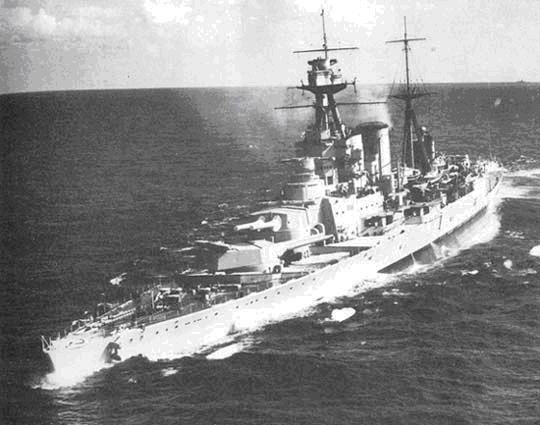
Historical Context
By 1941, the Royal Navy was engaged in global operations across the Atlantic, Mediterranean, and Pacific theatres. The protection of vital supply routes, particularly during the Battle of the Atlantic, required a vast and diverse fleet.
At the same time, secrecy surrounding new ships and technological developments limited what could be publicly documented. As a result, contemporary works such as this provide an important, though partial, record of naval strength during wartime.
Navies of the British Empire (1941)
The following naval forces formed part of the British Empire’s maritime strength:
- Royal Navy
- Royal Australian Navy
- Royal Canadian Navy
- New Zealand Navy
- Royal Indian Navy
Royal Navy
Ship Types
The Royal Navy in 1941 operated a wide range of vessel types, reflecting the demands of global naval warfare:
- Battleships
- Battlecruisers
- Aircraft Carriers
- Cruisers
- Destroyers
- Submarines
- Minesweepers
- Escort and Patrol Ships
- Depot and Repair Ships
Battleships and Battlecruisers
Key classes included:
- King George V Class
- Nelson Class
- Queen Elizabeth Class
- Renown Class
- Royal Sovereign Class
These ships formed the backbone of the fleet and were central to naval strategy during the early years of the war, providing heavy firepower and fleet leadership.
Aircraft Carriers
Aircraft carriers were becoming increasingly important in naval warfare, marking a shift towards air power at sea:
- Illustrious Class
- HMS Ark Royal
- HMS Hermes
- HMS Furious
- HMS Eagle
These vessels played a growing role in reconnaissance, strike operations, and fleet defence.
Cruisers
The Royal Navy operated numerous cruiser classes, including:
- Edinburgh Class
- Leander Class
- Fiji Class
- Dido Class
- York Class
- Kent Class
Cruisers were essential for reconnaissance, escort duties, and independent operations across vast maritime regions.
Destroyers
Destroyers formed a vital part of fleet protection and convoy escort:
- Tribal Class
- Javelin Class
- Hunt Class
- Admiralty V and W Classes
They played a crucial role in anti-submarine warfare and convoy defence, particularly in Atlantic operations.
Submarines
Submarine classes included:
- Triton Class
- Thames Class
- Parthian Class
- Oberon Class
Submarines were used for reconnaissance, offensive operations, and mine-laying, contributing to both strategic and tactical missions.
Escort and Patrol Ships
Escort vessels were essential for protecting shipping during the war:
- Black Swan Class
- Flower Class
- Grimsby Class
These ships were heavily involved in convoy protection during the Battle of the Atlantic, where control of supply routes was vital to the Allied war effort.
Royal Australian Navy
Overview
The Royal Australian Navy made a significant contribution to Allied naval operations, particularly in the Mediterranean and Pacific theatres.
Notable Ships
- HMAS Australia
- HMAS Canberra
- HMAS Sydney
- HMAS Perth
Royal Canadian Navy
Overview
By 1941, the Royal Canadian Navy had expanded rapidly, with approximately 250 ships in service. It played a key role in Atlantic convoy escort operations.
Key Roles
- Escort duties
- Minesweeping
- Coastal defence
New Zealand Navy
Overview
The New Zealand Navy was relatively small but rapidly expanding, with personnel serving across Royal Navy vessels and contributing to global operations.
Notable Ships
- HMS Achilles
- HMS Leander
Royal Indian Navy
Overview
In 1941, the Royal Indian Navy consisted of a small but developing fleet, with expansion programmes underway to support wartime operations.
Roles
- Escort operations
- Surveying
- Patrol duties
Historical Significance
This 1941 listing provides a valuable insight into the structure and scale of the Royal Navy and its associated forces during the early years of the Second World War.
It highlights the diversity of ship types, the global reach of British naval power, and the contributions of Commonwealth navies to the wider war effort.
Conclusion
Although incomplete due to wartime conditions and secrecy, Warships of the British Empire (1941) remains an important historical reference for understanding the composition and development of naval forces during a critical period in modern history.
For the Royal Navy at the outbreak of the First World War, see Royal Navy Fleet (1914).